
How to Build a Profile That Convinces Families (Focus Areas, Experience, Availability)
Parents decide within a few seconds whether a childcare profile looks trustworthy. A good babysitter profile (or general care profile) therefore immediately makes clear: who you are, what you stand for, when you are available, and why families can place their child in your hands with a good feeling.
In this guide, you will get an immediately implementable structure, formulation examples, and a checklist so that your childcare profile gets more profile views and significantly more suitable inquiries.
At a Glance: How Your Profile Looks Professional
- Profile picture: friendly, bright, serious – without a party or holiday backdrop 2. About-me text: 5–10 lines that make experience, attitude, and target group concrete 3. Pedagogical focus areas: 2 to 4 clear topics (e.g., language support, nature, Montessori, homework) 4. Experience: verifiable, with time periods, age groups, and tasks 5. Availability: concrete according to weekdays/times + start date + flexibility 6. Qualifications: First aid for children, training/studies, certificates, police clearance certificate (upon request) 7. Trust signals: References, clear communication, reliability, quick response time
Why the Profile Decides on Inquiries
Parents rarely give care to the cheapest person, but to the caregiver who conveys the most security. Your profile is your digital business card here: It replaces the conversation (until you meet), shows attitude and competence, and answers the most important questions of the family before they even have to ask them.
The clearer you can state your strengths, your pedagogical focus areas, and your availability, the fewer "unsuitable" messages you get, and the more often the right families write to you.
What Families Are Really Looking for in Profile Selection
Families are not looking for "just someone to watch," but a person who fits their child, their everyday life, and their values. These points influence the decision the most:
Why is it important?
Parents value certain aspects to ensure that their children are in good hands.
How you show it in your profile:
-
Trust & Reliability: Question: "Can I leave my child with a clear conscience?" How: Use clear language, avoid contradictions, offer references and a police clearance certificate upon request.
-
Experience with the suitable age: Babies, toddlers, and school children have different needs. How: State age groups, name concrete tasks and time periods.
-
Availability & Reachability: Question: Does it fit organizationally in the long run too? How: State weekdays/times, name a start date and whether you are available during the holidays, evenings, or on the weekend.
-
Suitable focus areas: Focus: Promotion, structure, homework help or creative offers. How: Describe 2 to 4 focus areas with example activities.
-
Qualifications: Importance: Safety in emergencies and pedagogical competence. How: State first aid for children, relevant training/studies, and completed courses/certificates.
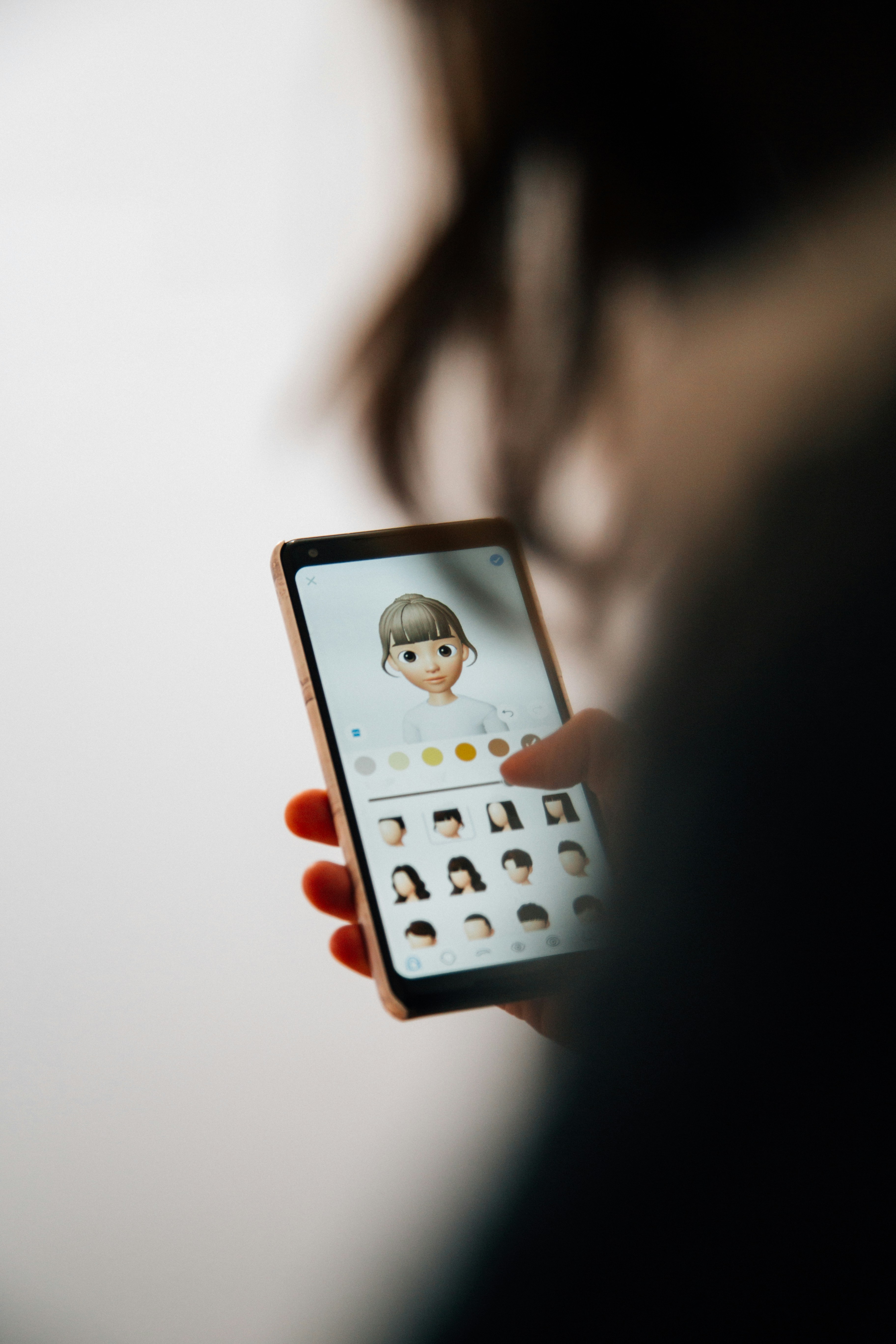
Professional Profile Picture
A professional profile picture often decides whether parents even read further. It must look friendly, clear, and trustworthy, not "perfect," but serious.
How to do it right
-
Light: Daylight at the window or outside in the shade (no flash).
-
Background: calm and tidy (e.g., bright wall, park, neutral room).
-
Clothing: simple, neat, suitable for everyday use (e.g., a solid-colored top).
-
Image framing: Head and shoulders, looking into the camera, natural smile.
Please avoid
-
Party/bar/holiday photos, filter exaggeration, strong sunglasses, group pictures
-
Blurriness, poor resolution, "from below" selfies
Meaningful About-Me Text
Your about-me text is the core of your profile. Goal: Parents should know after a few lines how you care, who you prefer to care for, and why they can trust you. A strong about-me text is concrete, friendly, and structured.
Mini-Structure (simply copy)
-
1 sentence: Who you are + role (babysitter/caregiver/daycare) + location
-
2 to 3 sentences: Experience (time period, age, tasks)
-
1 to 2 sentences: Pedagogical focus areas + typical activities
-
1 sentence: Qualifications (e.g., First aid for children)
-
1 sentence: Availability + invitation to get to know each other
Presenting Pedagogical Focus Areas
Focus areas help families to categorize you quickly and are a good way to stand out. Choose 2 to 4 topics that suit you and add a concrete example.
-
Language support: Reading aloud, rhymes, dialogue instead of "quizzing"
-
Movement & Nature: Playground, forest, motor skills course at home
-
Creativity: Crafting, painting, music, role-playing games
-
Structure & Independence: child-friendly routines, Montessori impulses
-
Learning & Homework: quiet learning environment, motivating learning methods Example: "My focus is on creative activities and movement: We do seasonal crafts (e.g., lanterns, nature collages) and go outside for a daily walk if possible."
Describing Experience Professionally
The sentence "I like children" is in many profiles; it is sympathetic, but not meaningful. To convince parents, you should describe your experience as if you were summarizing a resume briefly and comprehensibly.
Instead of: "I have often watched children."
Better: "Since 2022, I have regularly cared for two children (2 and 5 years old) in Berlin: Picking up from daycare, evening routine, reading aloud, accompanying to sleep. In addition, I helped out in a primary school (all day) for 6 months and accompanied homework."
Formulating Pedagogical Prior Experience
If you come from a professional environment, mention internships, training, studies, or volunteer work. Parents appreciate it when you know developmental phases and reflectively justify your care.
State Availability Optimally
Many families filter profiles first by times. The more precisely you formulate your availability, the more suitable inquiries you get.
-
Unclear: "I have time in the afternoons."
-
Clear: "Mon to Wed from 2:00 PM, Thu from 4:30 PM, occasionally Friday evenings. Start from 01.09., during school holidays by arrangement."
Add (if applicable): Mobility (public transport/car), maximum distance, desired scope (e.g., 1 to 2 evenings/week or regular afternoons), and whether short-notice assignments are possible.
Highlighting Qualifications
Tangible proof quickly creates trust. If you want to highlight qualifications, place them visibly and concretely.
-
First aid for children (date or "current")
-
Training/studies (educator, social pedagogy, teaching, pedagogy, etc.)
-
Babysitter course, hygiene/nutrition courses, lifeguarding (depending on the offer)
-
Police clearance certificate (e.g., "I can show this when we meet")

Building Trust Signals
Trust arises when parents have the feeling: You are transparent, responsible, and easily reachable. These elements work particularly reliably in profiles:
-
References: "I am happy to pass on contacts/references when we meet."
-
Clear agreements: Dealing with allergies, screen time, sleep routine, pickup authorizations
-
Communication: short updates if desired (e.g., "We are at the playground")
-
Professional attitude: "I adhere to your educational rules and discuss uncertainties openly."
Avoiding Typical Profile Mistakes
Even small details can deter parents. To avoid profile mistakes, check these no-gos in particular:
- Spelling mistakes or chaotic structure (looks unreliable).
- Too vague statements ("flexible", "lots of experience") without examples.
- Negative tone ("I don't do…") instead of clear, positive framework conditions.
- Inappropriate profile picture (party photo, filter, group picture).
- Contradictions (e.g., "evenings" in the text, but "only mornings" in the availability).
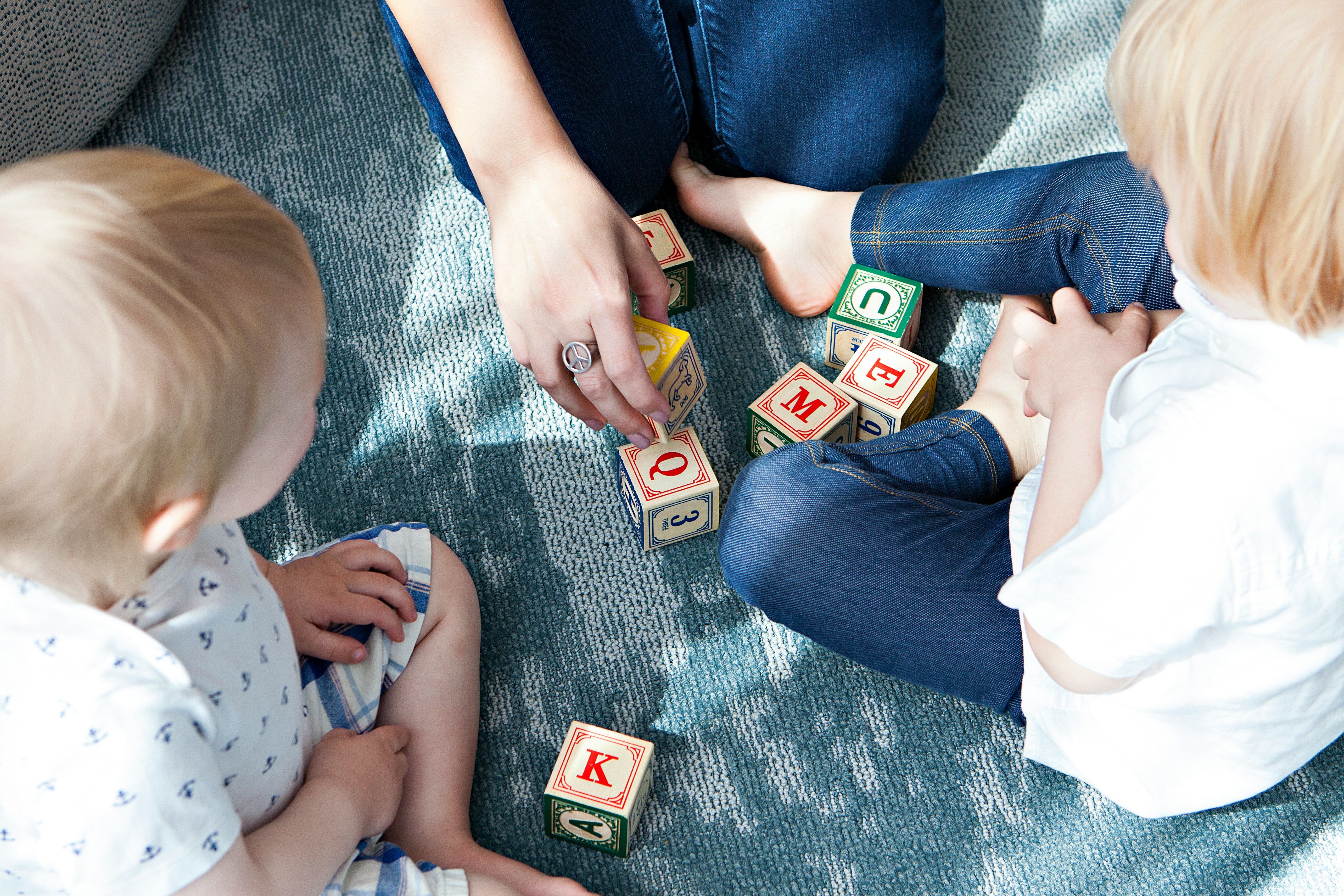
How to Stand Out From Other Profiles
When many profiles sound similar, the profile that is most clearly positioned wins. This does not mean "better," but "more suitable."
-
Specialization: e.g., "Care for toddlers", "Homework & Learning", "attachment-oriented evening routine"
-
Concrete offer: Picking up, preparing dinner, quiet learning accompaniment, creative projects
-
Plus points through special skills: Multilingualism, music, sports, experience with neurodiversity (only if you feel confident)
-
Profile text with examples: Short mini-scenes ("This is how an afternoon with me goes…")
-
Quick, friendly response to inquiries (often underestimated)
Checklist for the Perfect Profile
-
Profile picture: bright, friendly, serious
-
About-me text: short, structured, without empty phrases
-
Age groups: clearly named
-
Pedagogical focus areas: 2 to 4 topics + examples
-
Experience: Time period, tasks, context
-
Availability: Weekdays/times + start date + flexibility
-
Qualifications: First aid for children, training/studies, courses
-
Trust signals: References, police clearance certificate on request, transparent communication
-
Error-free: Spelling, clear paragraphs, no contradictions
-
Closing sentence: "Happy to write for a get-to-know/trial appointment"
FAQ: Frequent Questions About the Babysitter Profile
What belongs in a good babysitter profile?
A good babysitter profile contains a professional photo, a clear about-me text, age groups, concrete experience, availability, qualifications (e.g., First aid for children), and trust signals like references or a police clearance certificate upon request.
How do trust and credibility arise?
Trust arises through transparency (clear information, no exaggerations), verifiable experience, visible qualifications, references, as well as a respectful, professional tone. Concrete examples and clear agreements are particularly effective.
What information particularly interests families?
Families look primarily for experience with the appropriate age, availability (days/times), reliability, qualifications, and how you deal with children (focus areas, routines, rules). The faster this info can be found, the more often an inquiry comes.
How can one stand out from other profiles?
You stand out by clearly positioning yourself (e.g., toddler routine, homework, nature pedagogy activities), describing your care with examples, and naming concrete added values. A professional photo and a structured, error-free presentation reinforce the impression.
Which profile components lead to more inquiries?
More inquiries arise from a convincing profile picture, a clear profile text, concrete experience, very precise availability, visible qualifications, and trust signals (references, transparent communication). In addition, a friendly closing sentence with an invitation to get to know each other helps.
Conclusion: Your Profile is the Key to More Suitable Inquiries
A convincing care profile is not created by long texts, but by clarity: Who you are, how you care, when you are available, and why parents can trust you. Use the structure from this guide, work with concrete examples, and implement the checklist, then your profile will be clicked significantly more often and you will receive noticeably more suitable inquiries.