
Initial Care for a Family within the Framework of Socio-Pedagogical Family Support
The first visit to a family is often one of the most formative moments in the entire collaboration for socio-pedagogical professionals. When a family requests support or is referred by the youth welfare office, hopes and expectations meet uncertainties and sometimes skepticism. Especially in the complex field where educators have to harmonize upbringing and everyday family life, absolute tact is required at the first contact. How do you build trust? What legal and pedagogical frameworks apply? And how can parents be sustainably empowered? This article highlights the first steps, methods, and challenges in outreach family work.
Summary
The initial care of a family within the framework of socio-pedagogical family support is a complex but deeply rewarding process. It requires broad knowledge of legislation, early childhood development, and modern educational approaches. However, anyone who goes into the first home visit with a clear professional attitude, genuine interest in people, and a resource-oriented perspective lays the foundation for successful accompaniment. By specifically strengthening parental competencies, it is possible to lead families out of crisis and guarantee the children a safe, loving, and developmentally supportive environment.
What is Socio-Pedagogical Family Support?
In order to be able to act professionally and purposefully, the definition of socio-pedagogical family support (often referred to simply as SPFH) as a basis for work must be completely clear. This measure is legally anchored in the Child and Youth Welfare Act. According to § 31 SGB VIII socio-pedagogical family support, it is an intensive, outreach help with upbringing. It is aimed at families who are in stressful life situations and need support in coping with everyday life. The tasks of socio-pedagogical family support are extremely varied:
-
Counseling in upbringing questions
-
Support in structuring everyday family life
-
Help in resolving internal family conflicts
-
Accompaniment during contacts with offices, schools, and kindergartens
-
Crisis intervention The ultimate goal is always help for self-help. The family should be empowered to solve their problems independently in the long term.
The First Home Visit: Preparation and Professional Attitude
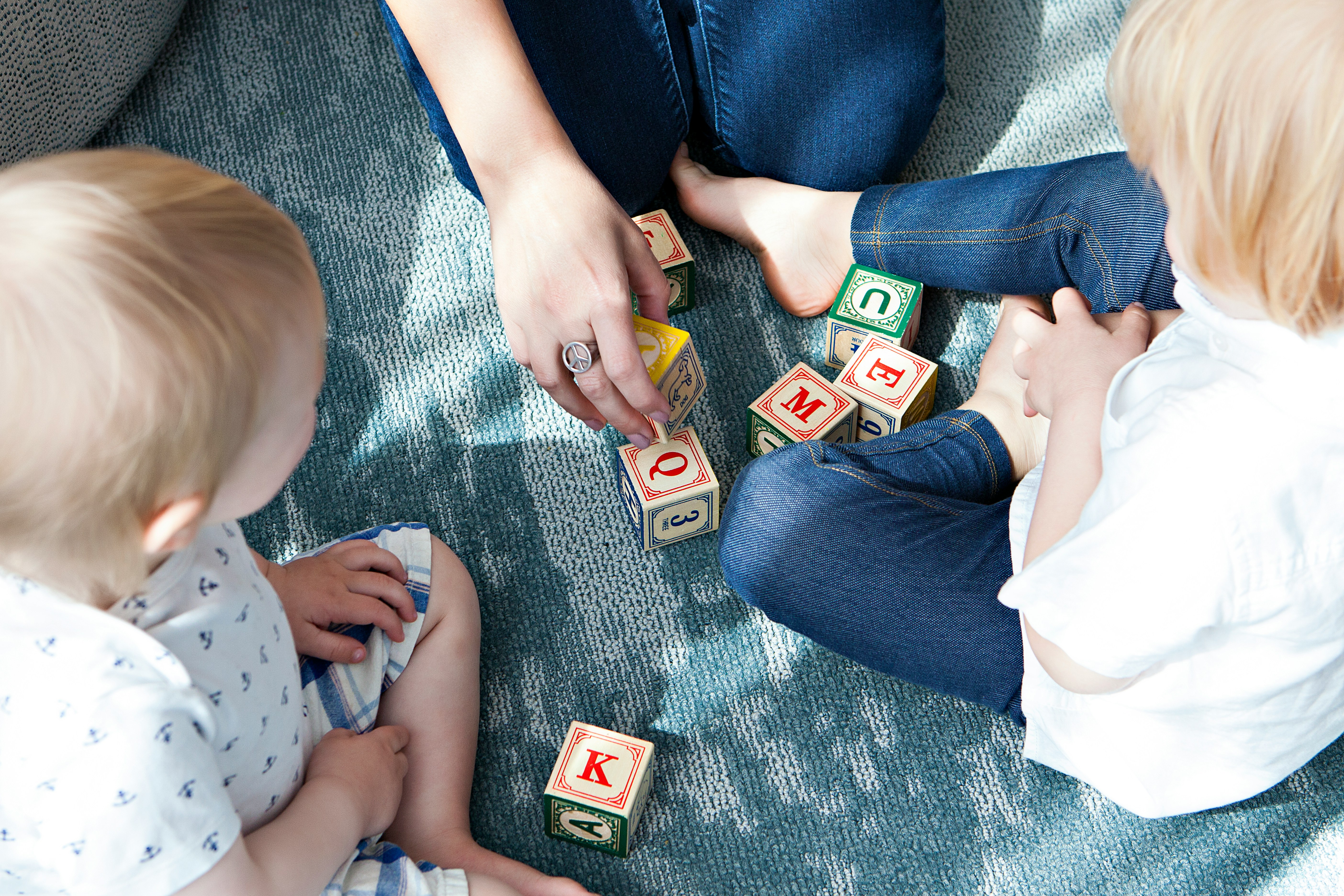
Successful educational support directly in the family environment requires a neutral, open, and appreciative perspective. Especially at the first meeting, the foundation for further cooperation is laid. This shows how deeply a professional attitude is anchored in everyday professional life. Young professionals often ask themselves before their first assignment: What makes a good educator? First and foremost, it is the balance of professional expertise, authenticity, empathy, and the ability to set clear boundaries. You enter the most intimate protective space of a family – their own apartment. Respect for the existing family structures is therefore essential. Here are some practical care tips: Educators should do the following on the first visit:
-
Create transparency: Explain clearly who you are, why you are there, and what the rough schedule for the next few weeks looks like.
-
Listen actively: Let the parents describe their view of the problem without immediately judging or giving advice.
-
Start resource-oriented: Look for things that are working well in the family right from the first meeting. This strengthens the parents' self-confidence.
Fundamental Pedagogical Concepts in Family Support
To not just advise families superficially but to bring real changes, professionals fall back on proven educational core concepts. The goal is to strengthen the parents' pedagogical capacity to act so that they react more calmly and deliberately in stress situations in the future.
Needs Orientation and Early Childhood Development
Especially in families with small children, the focus is on the sensitive phase of the first years of life. Solid early childhood education and development do not start at daycare, but at the family dining table. Here, needs-oriented guidance for children is of crucial importance. Parents must learn to read their children's behavior – whether crying, defying, or withdrawing – as an expression of an unfulfilled need.
Applying Pedagogical Currents in Everyday Family Life
When parents are unsure how to enforce rules, a joint look at different educational models often helps. In the discussion of reform pedagogy vs. traditional parenting styles, it quickly becomes apparent that punishments and blind obedience are obsolete.
Instead, participation and personal responsibility move to the center. An excellent example that can easily be integrated into everyday family life is the Montessori approach in practice. True to the motto "Help me to do it myself," educators can show parents how to design the environment in a child-friendly way (e.g., through easily accessible boxes for toys or a small step stool in the bathroom). This way, children experience self-efficacy, which drastically reduces frustrations and related conflicts in everyday life.
Dealing with Challenges: Behavior, Daycare, and School
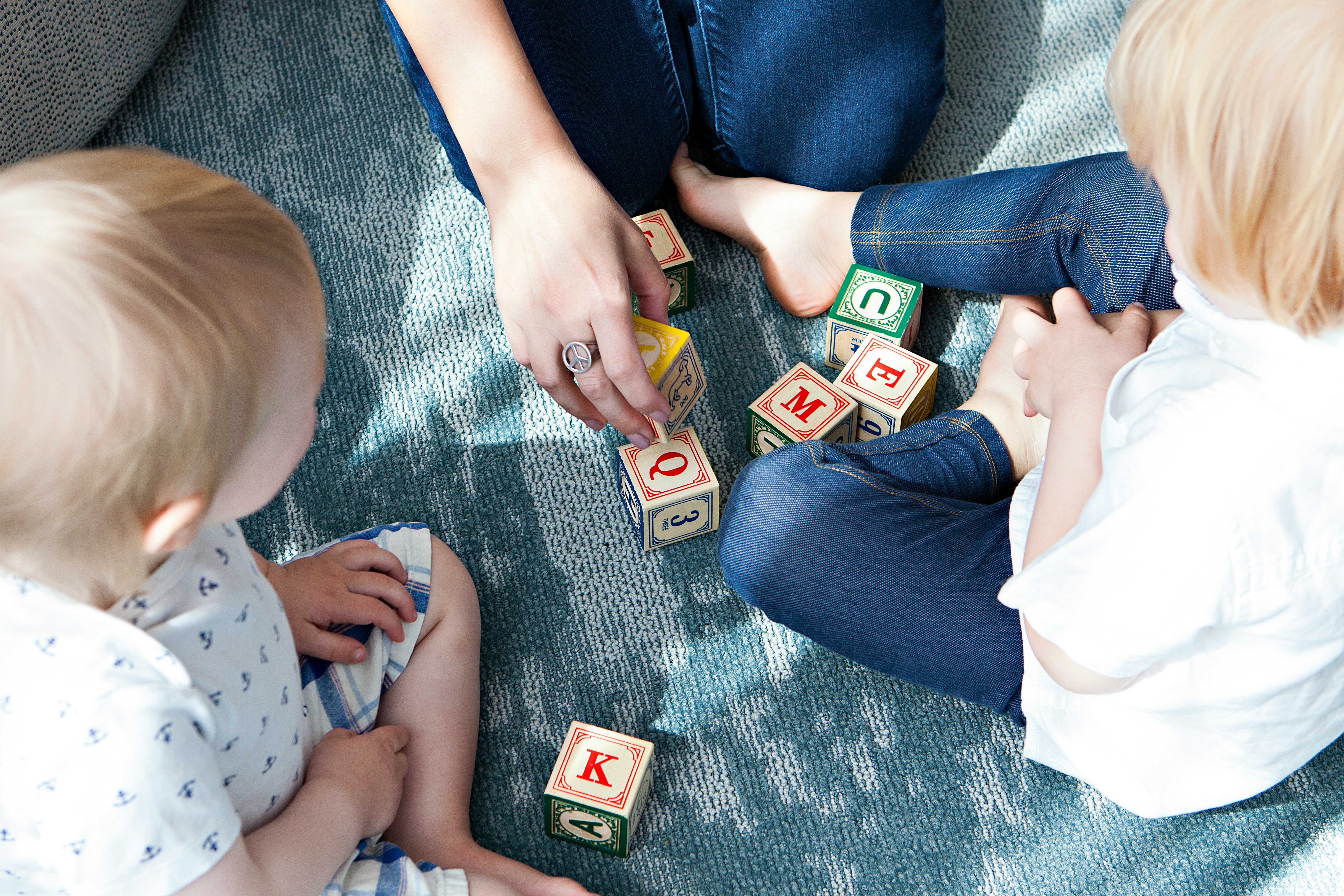
Often, it is persistent conflicts or behavioral abnormalities of the child in external educational institutions that initiate the deployment of family support in the first place. When children show extreme tantrums or permanently refuse rules, clear strategies against behavioral abnormalities are required.
Conflicts in Everyday Life and the Role of Educational Institutions
Family helpers act as important bridge-builders between home and institution. For example, when it comes to conflict resolution in everyday kindergarten life, rituals and de-escalating strategies that have proven themselves in daycare can be gradually transferred to the family environment. With older children, school topics come to the fore. The complex education system and state educational plans seem overwhelming to many parents in crisis situations. Here, the socio-pedagogical professional accompanies the parents to parent-teacher conferences and helps reduce school anxiety or performance pressure. A big topic in this context is the psychological resilience of adolescents. Resilience promotion in students must happen hand-in-hand between teachers and parents. If modern schools, for example, promote emotional intelligence in class through mindfulness exercises or open discussion circles, it is the task of the family helper to teach parents how to allow this emotional openness at the kitchen table too.

Cooperation with Parents: The Key to Success
No youth welfare measure can be fruitful if it is directed against the parents. Trusting cooperation between professionals and parents forms the absolute backbone of SPFH. Professionals are not substitute parents, but temporary companions. Often, within the framework of care, parents ask very concrete questions, such as: How do you promote social competence in my child when they are constantly fighting on the playground? Here it is important not just to give theoretical lectures, but to go into the situation together, try out role-playing, or reflect benevolently on the child's behavior in everyday life together.