
Babysitting with Clear Rules: What Should Be in Agreements (Without Legalese)
An evening for two for the parents, an exciting side job for the caregiver – babysitting is a wonderful thing if the basic conditions are right. But all too often, harmony fails due to unspoken expectations. The parents are annoyed about an untidy children's room, the babysitter is frustrated because they are unexpectedly expected to do the dishes for the whole family.
To avoid exactly that, clear agreements are essential. Respectful interaction begins with transparency. In this guide, you will learn everything about how babysitting works without misunderstandings, what agreements should be made, and how to create a clear, everyday framework – completely without complicated legalese.

What Are a Caregiver's Tasks Exactly?
One of the most common questions that both families and caregivers ask themselves is: What are a babysitter's tasks really? The answer to this depends heavily on the individual agreements, but there is a basic consensus on what belongs to standard care and what does not.
The Difference Between Nanny and Babysitter
To correctly classify babysitter tasks, we must first look at the terminology. The difference between a nanny and a caregiver lies primarily in the scope and pedagogical responsibility. A nanny is often permanently employed, works many hours a week, and takes on in-depth educational tasks. A babysitter, on the other hand, comes by the hour, often in the evening or on the weekend, to relieve the parents at short notice.
The Core Tasks
Classic tasks include:
-
Playing together and keeping the children occupied.
-
Preparing healthy meals for children (usually simple dishes or heating up prepared food).
-
Feeding (for babies and toddlers) or eating together.
-
Changing diapers or accompanying them to the toilet.
-
Designing the evening routine with the children (brushing teeth, putting on pajamas, reading aloud, putting to bed).
Babysitters' Household Duties
An often delicate topic is the babysitter's household duties. Basically: A babysitter is not a cleaner. However, it is expected that the state of the apartment after babysitting corresponds to the state before. This means:
-
Put dishes used during childcare in the dishwasher.
-
Tidy up the toys that were used during the care time.
-
Wipe up any "accidents" (spilled juice).
Vacuuming the entire apartment or ironing the family laundry are not part of the standard tasks – unless this was expressly agreed upon in advance and for a corresponding surcharge.
The Start: Search, Selection, and the First Meeting
Before getting into the details of the agreement, families and caregivers first have to find each other. Organizing the search for childcare professionally and reliably is the first step.
Babysitting Apps vs. Personal Recommendation
When searching, parents often face a choice: babysitting apps vs. personal recommendation. Apps offer a large selection, verified profiles, and often even reviews from other parents. Personal recommendations from friends or kindergarten, on the other hand, score points with an enormous leap of faith. Both ways have their justification; the only important thing is that the chemistry is right.
Qualifications for Childcare
Not everyone who likes children is automatically a good babysitter. Pay attention to qualifications for childcare. A nice bonus are fulfilled babysitter diploma requirements. Courses, such as those offered by the Red Cross, provide important basic knowledge in the areas of infant care, child development, and emergency management. Even certificates of enrollment in pedagogical training can be very helpful.
Preparing the Introductory Meeting with Parents
The first meeting is crucial. When you as a caregiver prepare the introductory meeting with parents, you make a professional impression. Think in advance about questions regarding the children's hobbies, allergies, and expectations. Parents, in turn, should take the time to experience the potential sitter in action with the child.

The Contractual Framework: What Should You Agree on Before Babysitting?
Once the decision has been made, it's time for the details. A contract between parents and babysitter sounds like a lot of bureaucracy, but it is actually just a written record of the most important points. It protects both sides.
What Belongs in a Babysitter Agreement?
Whether you call it a babysitter contract, babysitting contract, or simply a care agreement – the document should be formulated clearly and comprehensibly. But what belongs in a babysitter agreement? Here are the most important key points:
-
Names and addresses: Of the parents, the children, and the babysitter.
-
Times: On which days and at what times will care be provided? How are parental delays handled?
-
Tasks: A brief list of the parents' and caregiver's expectations (e.g., pick-up service from kindergarten, meal preparation).
-
Financials: Hourly wage, payment for overtime, travel expenses.
-
House rules: What is allowed, what is taboo?
To make it easier for you, it is advisable to download a babysitter agreement template from the internet and adapt it to your own needs. This way, professional childcare is taken seriously from day one.
It's even easier by registering with Trustolino: There, these administrative tasks are already largely covered.
Babysitter Remuneration: How Much Does a Babysitter Earn Per Hour?
Good work deserves fair pay. How much does a babysitter earn per hour? Babysitter remuneration varies greatly depending on the region, age, and qualification of the sitter, as well as the number of children to be cared for.
-
Teenage babysitters (14-17 years old) usually earn between 8 and 12 euros.
-
Adult caregivers with experience or a pedagogical background can charge 15 to over 20 euros per hour; in the case of registered employment, the statutory minimum wage (2026: 13.90 euros) also applies as a lower limit for adults.
You should also regulate how billing is done (cash after each assignment, via bank transfer at the end of the month) and who bears the costs for the journey home (e.g., taxi at night).
Setting Clear Boundaries: Rules for Babysitters and Families
Harmony is created through clarity. Rules for babysitters and families are not a sign of mistrust, but the foundation of good cooperation.
Setting Boundaries in Childcare
Parents must articulate what is important to them. Babysitting rules classically include topics such as:
-
Media consumption: How long are the children allowed to watch TV or use the tablet?
-
Nutrition: Are sweets allowed? If so, how much?
-
Visitors: Is the babysitter allowed to bring their own friends? (In most cases, a clear no).
-
Smartphone use by the sitter: It should be clear that the caregiver's cell phone stays in their pocket during active time with the child.
But setting boundaries as a babysitter is also important. A babysitter can and must say "no" if children are jumping over tables and benches or become disrespectful. The parents should give the sitter the authority to enforce house rules.
Ongoing Communication with Parents
Communication with parents does not end after the first handshake. Good agreements with parents and babysitting also include a short feedback conversation after each assignment. What went well? Were there problems? This is the only way the rights and duties of the babysitter can properly settle into everyday life.
Everyday Practice: From Playing to Bedtime
When the legal and financial matters are settled, the real work begins – and it should be fun!
Activities: Educational Games for Different Age Groups
A babysitter who just sits on the sofa and watches quickly becomes boring. Anyone who has educational games for different age groups in their repertoire immediately wins the children's hearts.
-
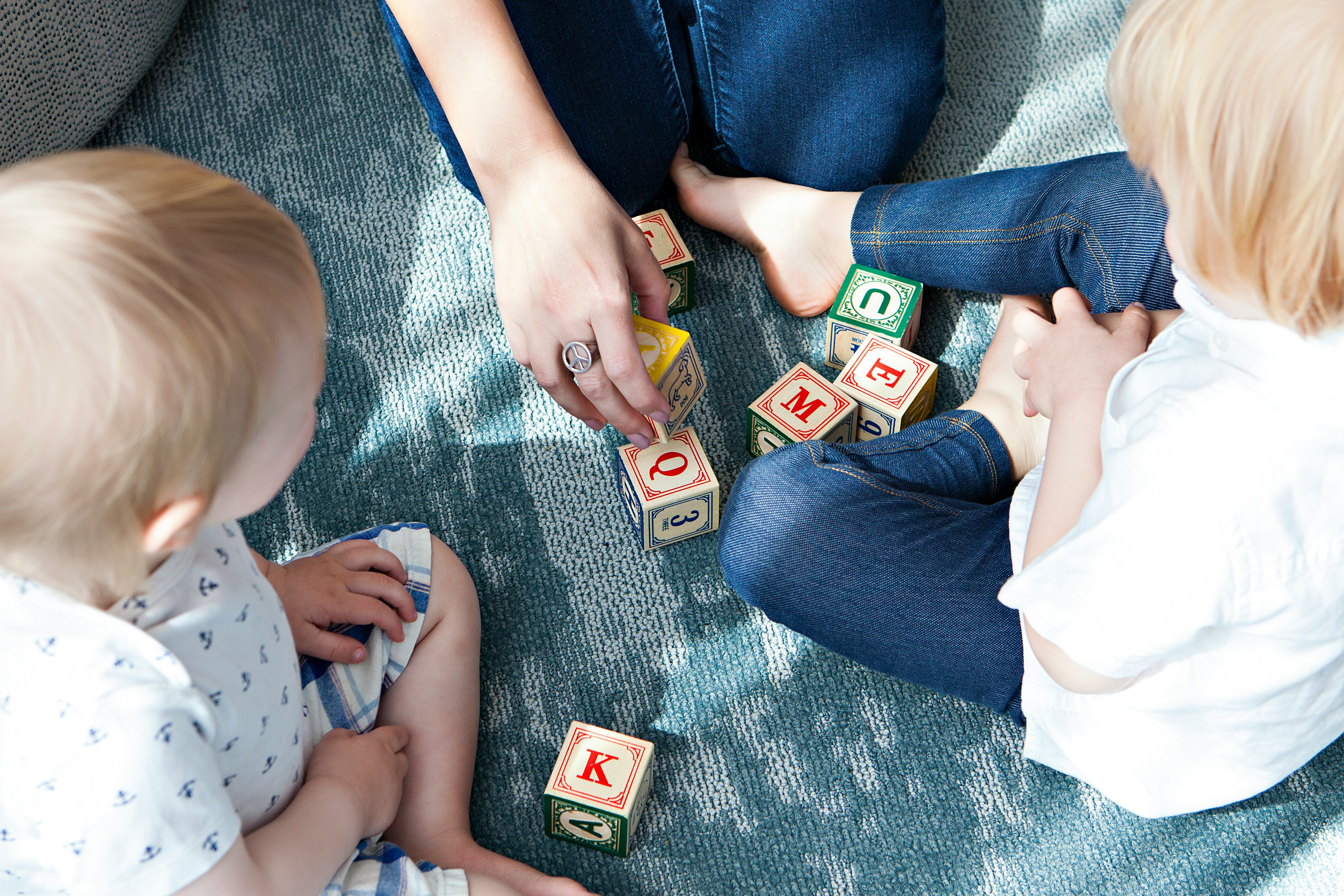
Toddlers (1-3 years): Stacking blocks, playing hide and seek, singing simple songs.
-
Kindergarten children (4-6 years): Role-playing (grocery store, doctor), drawing, crafts, reading aloud.
-
School children (from 7 years): Board games, solving puzzles, small trips to the playground, collaborative Lego projects.
Mastering Emotional Challenges
It is not always all sunshine and roses. Dealing with separation anxiety when babysitting is one of the biggest challenges. When parents walk out the door, tears often flow. Tip for babysitters: Stay calm, comfort the child, and after a short phase of allowing the sadness, distract them with an exciting toy or task. Tip for parents: Say goodbye lovingly but briefly. Prolonging the farewell usually only makes it harder for the child.
The Final Boss: Going to Bed
Designing the evening routine with children requires tact. Every family has its own rituals. These should be strictly followed by the babysitter. Is a glass of water drunk before sleeping? Can the light in the hallway stay on? Which stuffed animal must absolutely be taken to bed? If the babysitter knows these details, the children feel safe and secure, which makes falling asleep enormously easier.
Safety First: Emergencies and Legal Frameworks
We all hope it never happens, but we must be prepared for it: the emergency. It is in these moments that the importance of good preparation becomes apparent.
Babysitter Emergency Contacts and Checklists
No one should be left behind without a list of contacts. The emergency numbers and checklist for caregivers belong clearly visible on the refrigerator or kitchen table. The following must be on it:
-
Cell phone numbers of both parents.
-
Name and address of the assignment location (important for the emergency call, as babysitters often forget the exact street in the excitement).
-
Number for the fire department (112), police (110), and poison control center.
-
Babysitter emergency contacts from the neighborhood or relatives (e.g., grandparents) in case the parents cannot be reached.
-
Information on allergies or chronic illnesses of the child.
First Aid and Medical Care
Ideally, every caregiver should know how to react if a child chokes, falls, or suffers burns. First aid measures for pediatric emergencies sometimes differ significantly from those for adults. A first aid course for children is therefore an extremely sensible investment for every sitter.
A legal question also comes into play here: What is a babysitter legally not allowed to do? A very important point is the administration of medication. Legally, a babysitter is not allowed to administer any prescription medications (and strictly speaking, no painkillers either) without the express, preferably written, permission of the parents. When in doubt, always: Call the parents first!
Supervision Duty and Liability for Minors
This area quickly sounds like the dreaded "legalese", but it is easy to explain. When parents hand over care, the duty of supervision passes to the babysitter. The topic of supervision duty and liability for minors means in practice:
The sitter must act with foresight to avert harm from the child and third parties.
-
If the babysitter leaves the toddler unattended playing on the open stairs and they fall down, they have breached their duty of supervision.
-
If the child throws a stone into the neighbor's window during a walk, the question arises whether the caregiver was close enough to prevent this. It is advisable that babysitters (or their parents if the sitter is still a minor) check whether their private liability insurance covers damages from occasional babysitting activities.

The Complete Babysitter Checklist for the Perfect Start
So that you don't forget anything on your first assignment, we have summarized the most important points in a practical babysitter checklist. Parents and sitters can go through this checklist together when handing over the keys.
For the Parents (What must be shown/explained to the babysitter):
-
Where are the first aid kit and important medications (e.g., asthma inhaler, band-aids)?
-
Where are the fuse box, flashlights, and main water valve?
-
Are there any peculiarities with house or apartment doors (e.g., door locks quickly)?
-
Where are pajamas, diapers, wet wipes, and a change of clothes?
-
What is there to eat/drink and where can it be found?
-
What house rules apply (TV, snacks, bedtime)?
-
When exactly will we be back?
For the Babysitter (What you should always have with you/know):
-
Is my cell phone fully charged, but on silent (with vibration) so as not to disturb the children when they are sleeping?
-
Do I have the family's address ready for possible food deliveries or emergency calls?
-
Did I bring my own snacks/drinks (unless otherwise agreed)?
-
Do I know the exact sequence of the evening routine?
Conclusion: Trust Through Clear Agreements
Caring for someone else's child or handing over one's own child into someone else's hands requires a lot of courage and trust from both sides. But trust does not grow solely through sympathy, but above all through reliability and transparency.
By talking openly about mutual expectations in advance, making written agreements, and defining clear rules, you lay the foundation for a relaxed and happy time. When the basic conditions such as payment, household tasks, and procedures in emergencies are clarified, the mind is free for what should really be the focus of babysitting: giving the child a beautiful, safe, and playful time while the parents can switch off with a good feeling. This is how a simple side job turns into truly valuable, pedagogical, and professional childcare.